Modular Housing: An Efficient Solution for Affordable Social Housing in Canada
Faced with a worsening housing crisis, Canada is pioneering an innovative path for affordable social housing development through modular prefabricated construction technology.
Traditional Challenges and Innovative Responses
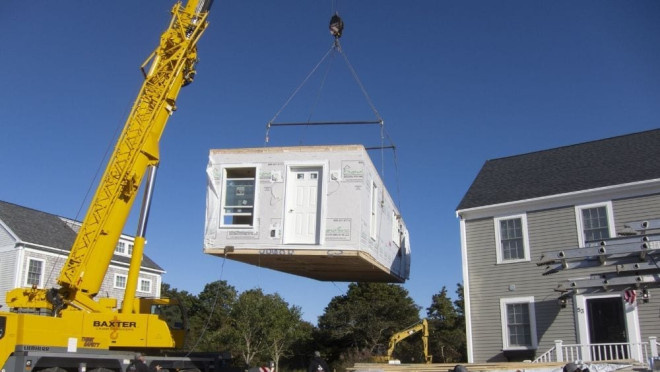
Canada’s social housing system has long grappled with issues such as prolonged construction timelines, high costs, seasonal constraints, and insufficient supply. In Toronto alone, the social housing waiting list exceeds 80,000 families, with an average wait time of over a decade. Traditional construction methods struggle to meet this urgent demand. Modular housing technology is driving a revolutionary change: building modules are prefabricated in controlled factory environments before being transported to the site for rapid assembly. This approach reduces construction time by 40%-60%, ensures more controllable costs, and is unaffected by Canada’s harsh winters—enabling year-round housing development.
Practical Cases and Outcomes
Vancouver’s modular temporary housing project has delivered remarkable results. The initiative provided over 600 housing units within months, featuring steel structures and composite panels with a design lifespan of 60 years. Compared to traditional construction, these modular buildings reduced material waste by more than 80%. Toronto’s "Housing First" program also adopts modular construction to provide permanent supportive housing for the chronically homeless. These communities include not only private units but also integrated shared support service spaces, helping residents access essential social services while securing stable accommodation. In remote Indigenous communities, modular technology offers unique advantages. Prefabricated homes can be manufactured in southern Canada and transported northward, addressing local limitations in construction capacity and high costs. These homes are also enhanced with superior insulation and energy efficiency to withstand Canada’s extreme climates.

Technology Integration and Sustainable Development
Modern modular social housing integrates multiple innovative technologies:
Green Building: High-performance insulation systems, solar panels, and heat pump technology significantly reduce operational costs.
Intelligent Design: BIM (Building Information Modeling) optimizes designs to ensure barrier-free access and family-friendly layouts.
Sustainable Materials: Environmentally friendly building materials are used, with some projects achieving a material recycling rate of over 90%.
Policy Support and Development Prospects
Governments at all levels in Canada have recognized the potential of modular construction. In 2023, the federal government announced a CAD 1.5 billion fund dedicated to supporting modular housing projects. Provincial governments are streamlining approval processes, while municipal governments provide land support. However, challenges persist. Public misconceptions about the quality of "prefabricated homes" need to be addressed, and building codes must be further adapted to modular methods. Additionally, establishing reliable local supply chains and achieving large-scale production are key to future development.
Social Impact and Future Outlook
Modular social housing is not only an innovation in construction technology but also a driver of social equity. By rapidly delivering high-quality, affordable housing, this technology is helping alleviate Canada’s housing crisis—particularly benefiting low-income families, the homeless, and Indigenous communities. With continuous technological advancements and sustained policy support, modular housing is poised to transition from an alternative solution to a mainstream choice, providing an effective path for Canada to build more sustainable and inclusive communities. In an era where housing is increasingly recognized as a basic human right, modular construction technology, with its efficiency, cost-effectiveness, and sustainability, offers a practical solution for Canada to fulfill its commitment of "housing for all."