Driven by the dual pressures of housing shortage and environmental consciousness in North America, modular homes are rapidly transforming the architectural landscape. Among them, shipping container retrofits, with their unique sustainable advantages, are transitioning from niche alternatives to mainstream solutions, offering both practicality and innovative design.
Old Containers, New Life: The Green Transformation
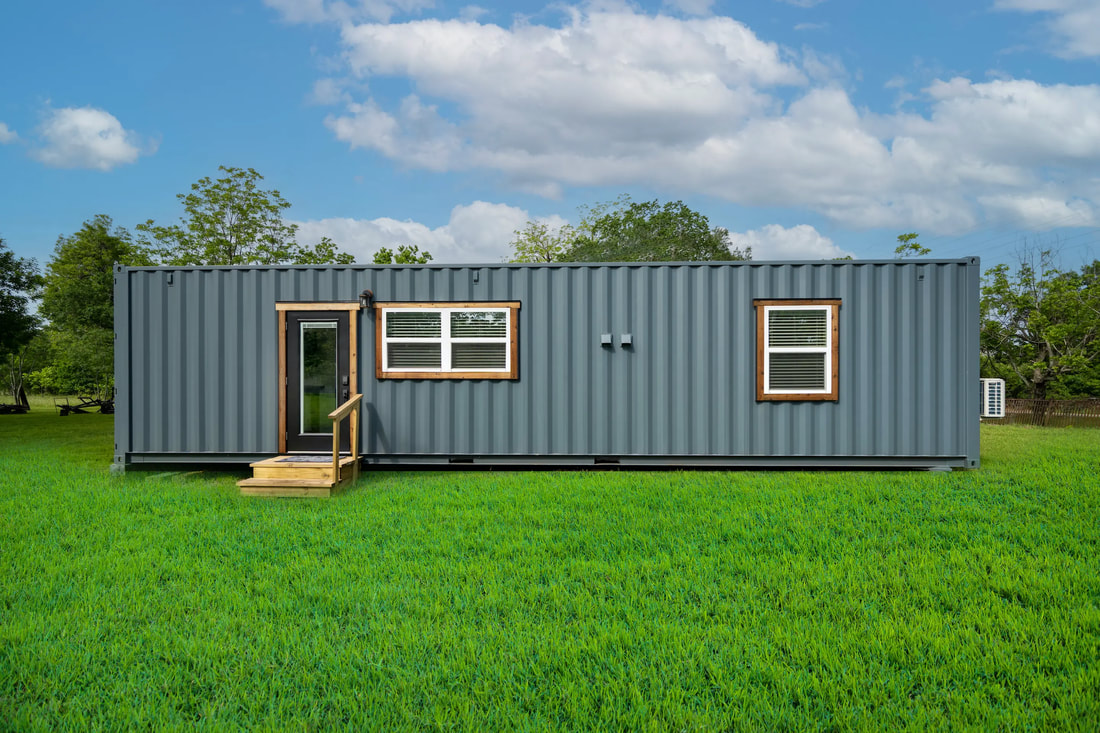
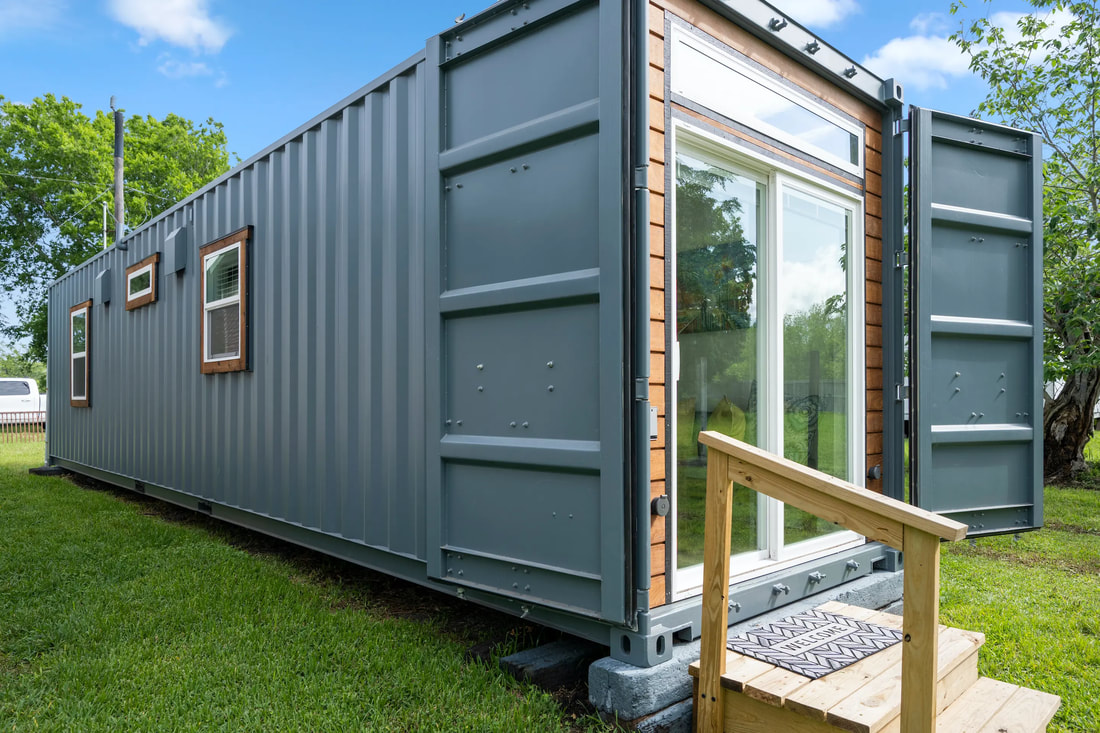
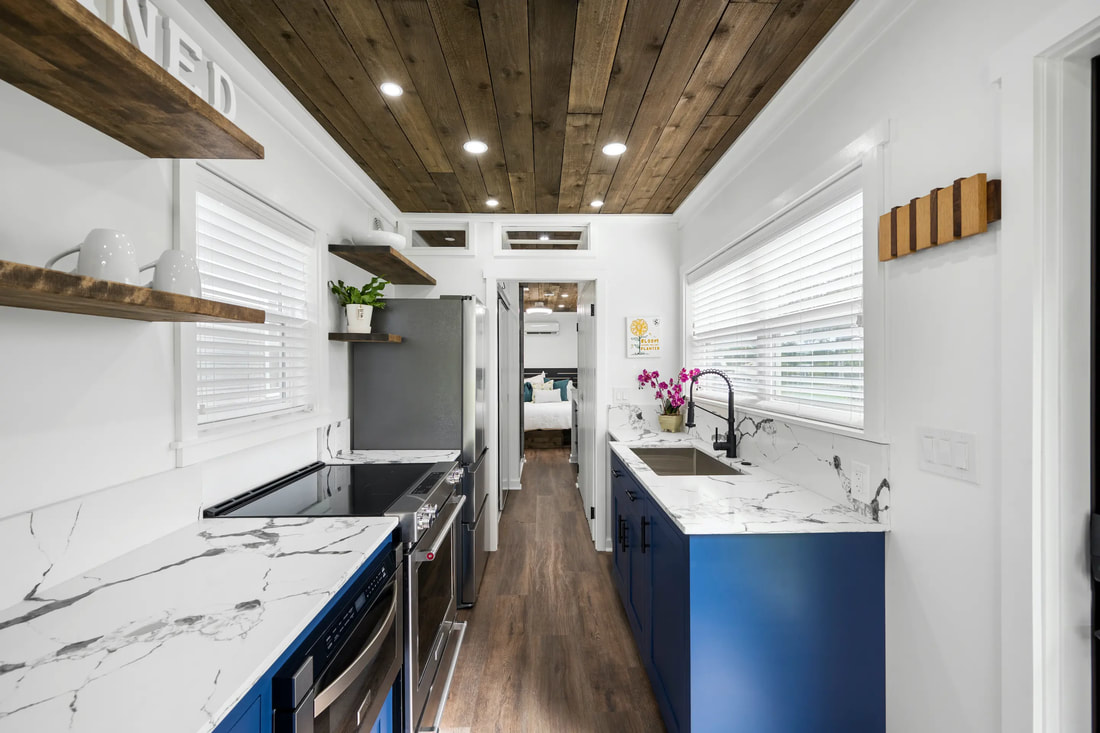
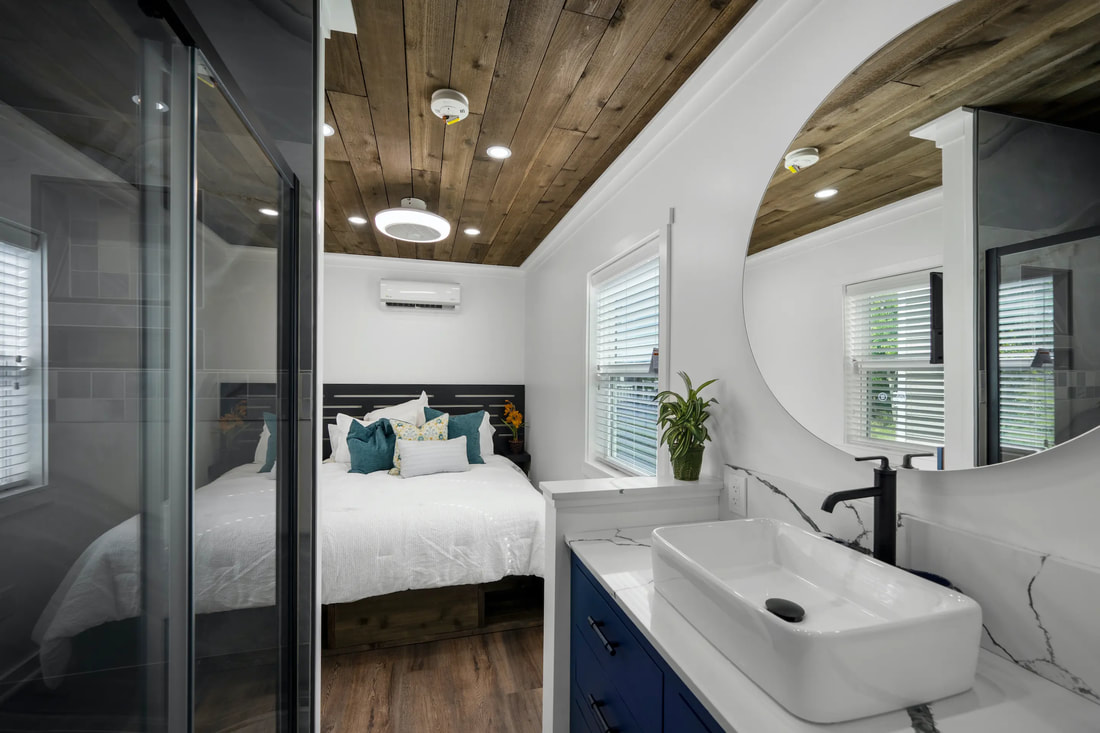
North America generates a significant number of decommissioned shipping containers annually. These industrial relics are now being creatively repurposed. Compared to traditional construction, modular homes using containers can reduce build time by up to 50% and costs by 30-40%. Crucially, retrofitting each container recycles approximately 3,500 kg of steel, drastically cutting construction waste and embodied carbon.
 |
 |
 |
 |
Design in Action: Case Studies of Innovation
The adaptability of container architecture is showcased across diverse applications:
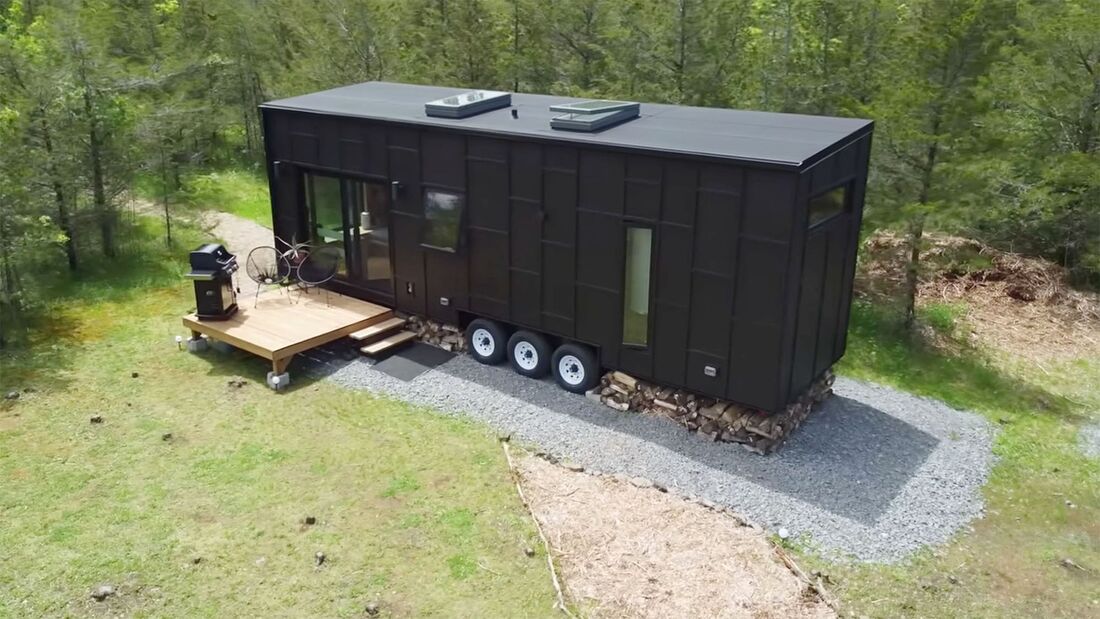
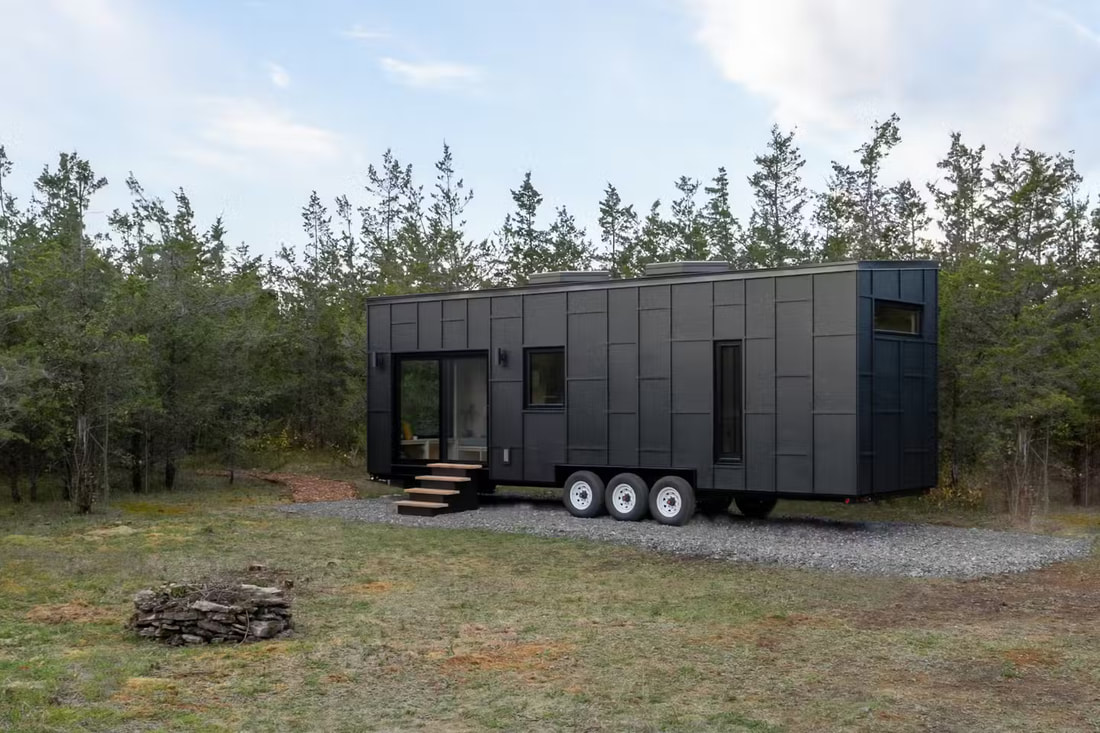
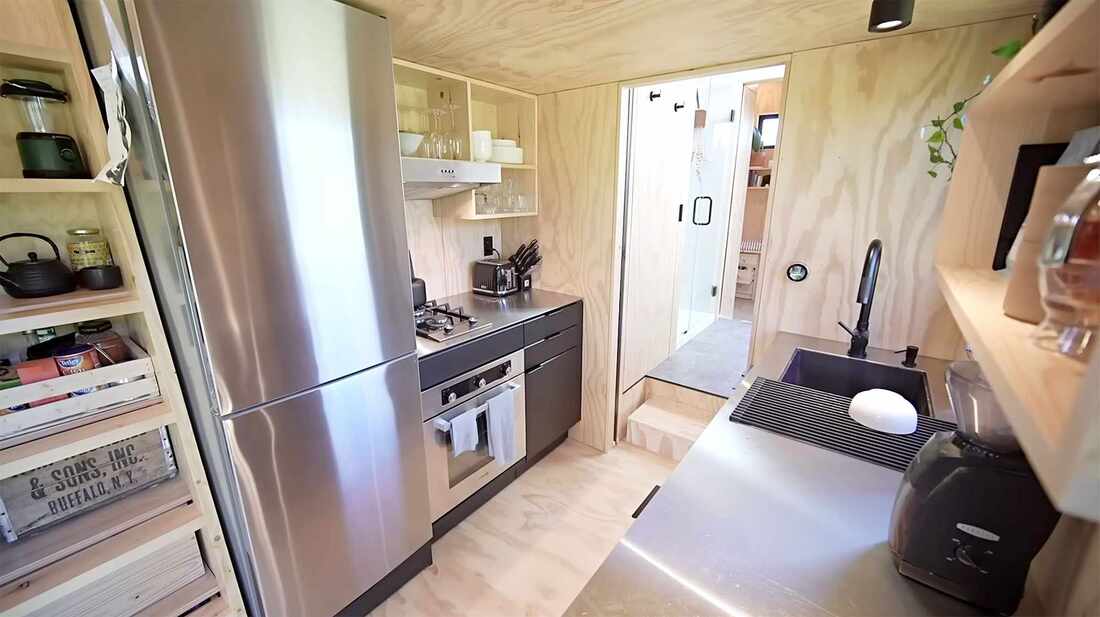
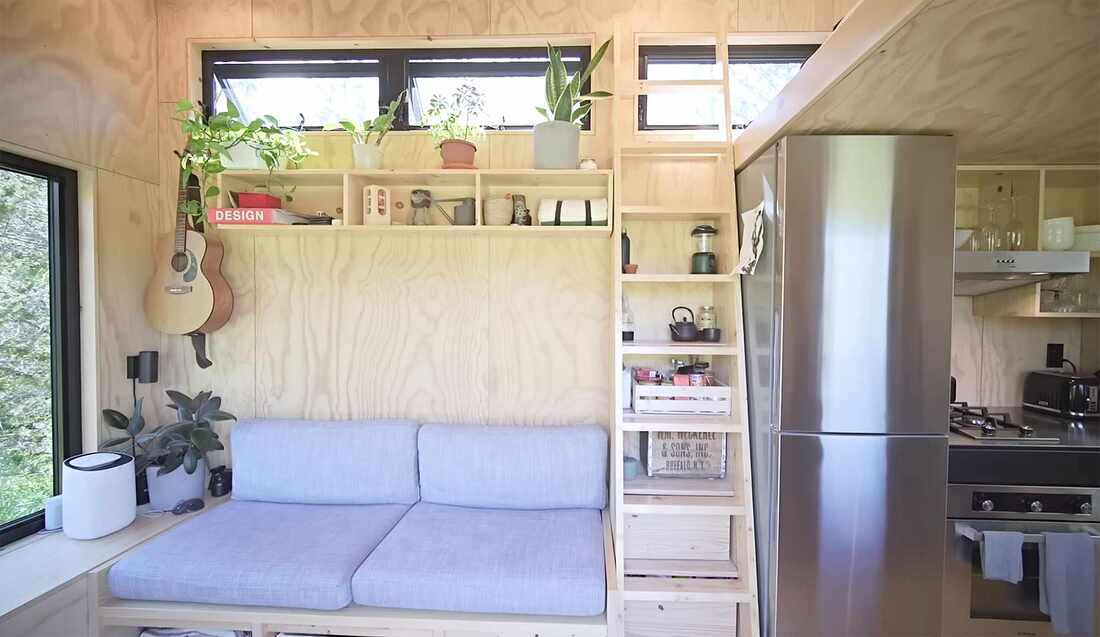
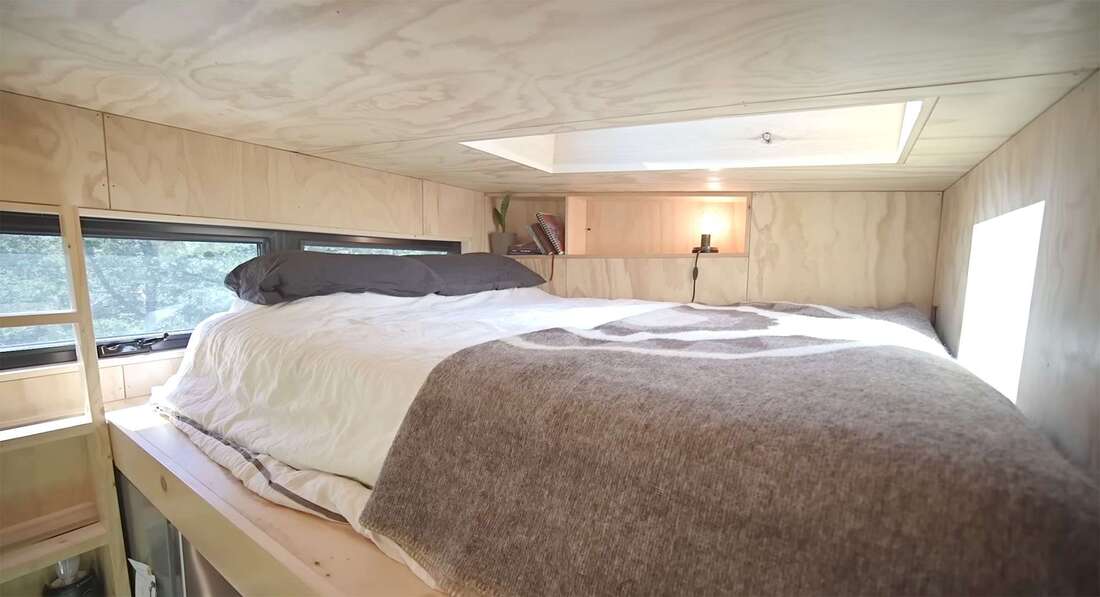
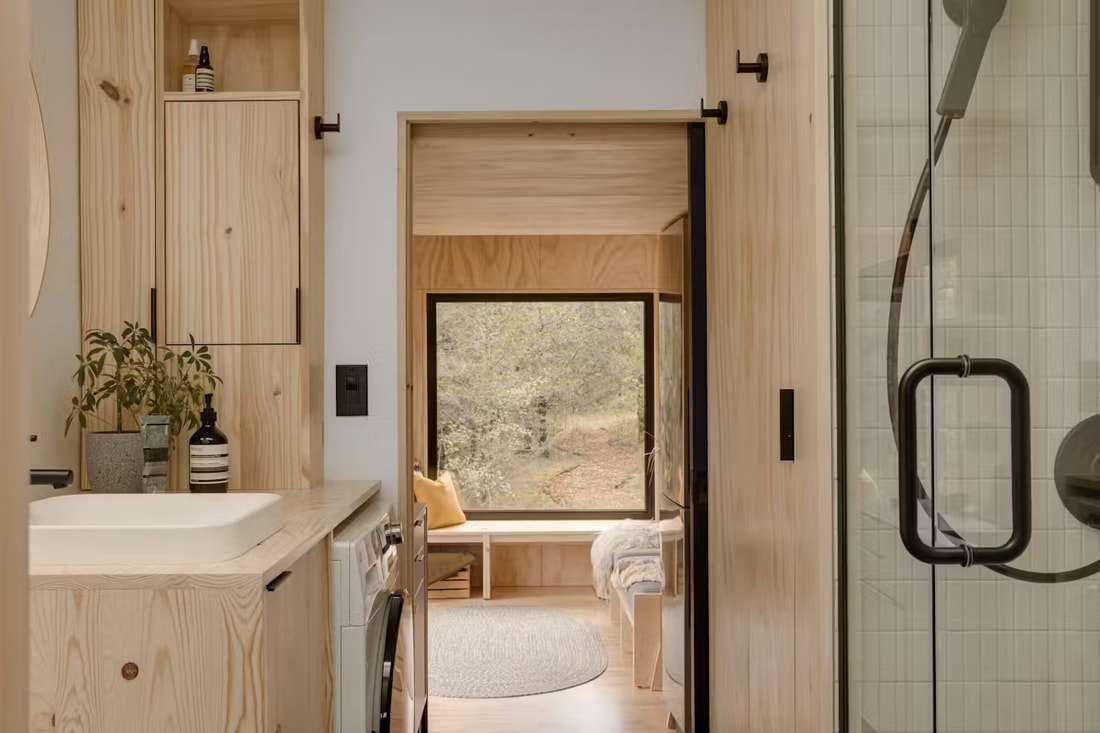
1. Ontario Cold-Resistant "Family Ark": Addressing the challenge of harsh climates, this project in Canada focuses on ultra-high-performance retrofitting. It transforms containers into a highly insulated, airtight dwelling capable of withstanding severe winters. The design incorporates advanced thermal breaks, triple-glazed windows, and a renewable energy system, pushing the boundaries of what prefabricated homes can achieve in terms of energy efficiency and resilience, essentially creating a sustainable "ark" for modern living.
 |
 |
 |
 |
 |
 |
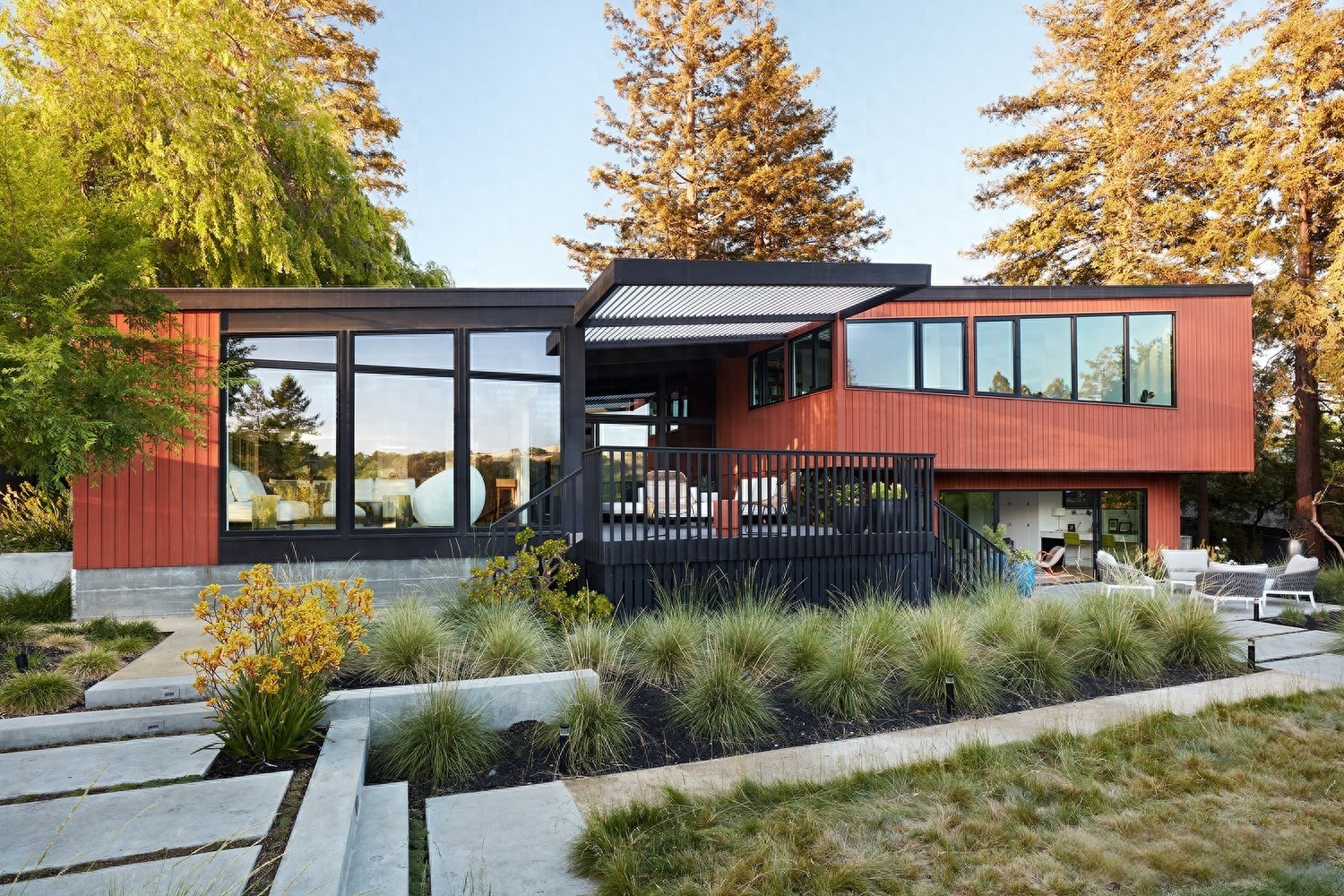
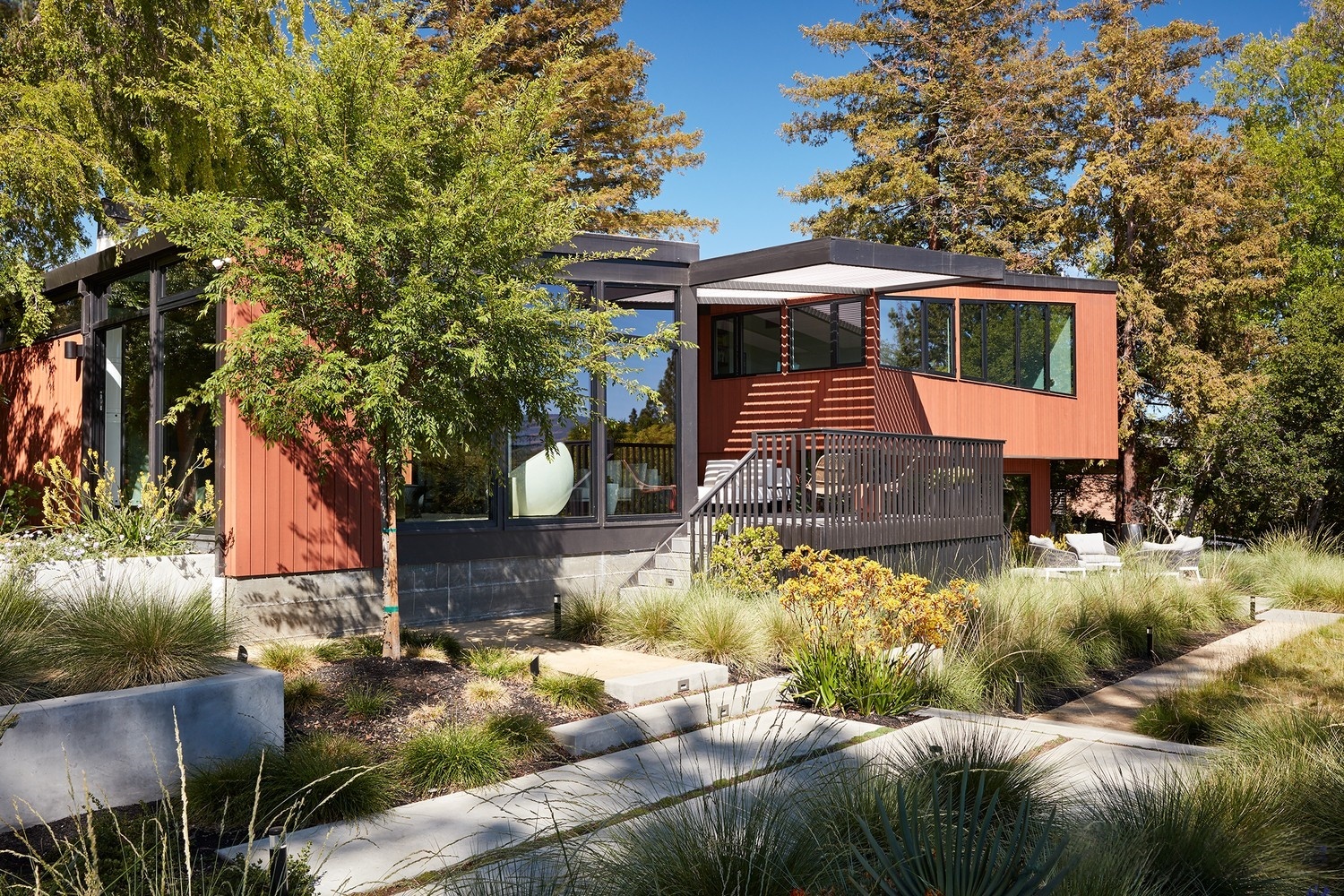
2. The Colorful Residence on 164th Ave, Vancouver, WA: A striking example of residential container use, this home is built from 11 containers in varying colors. Located near the Oregon-Washington border, it demonstrates how prefabricated homes can achieve vibrant, personalized architecture. The color-coded modules define different functional zones of the house, proving that modular construction does not preclude unique, eye-catching design suited for suburban communities.
 |
 |
 |
 |
 |
 |
3. Ontario Cold-Resistant "Family Ark": Addressing the challenge of harsh climates, this project in Canada focuses on ultra-high-performance retrofitting. It transforms containers into a highly insulated, airtight dwelling capable of withstanding severe winters. The design incorporates advanced thermal breaks, triple-glazed windows, and a renewable energy system, pushing the boundaries of what prefabricated homes can achieve in terms of energy efficiency and resilience, essentially creating a sustainable "ark" for modern living.
 |
 |
 |
 |
Market Catalyst and Future Horizons
Container-based modular homes are energizing the broader prefabrication market. Growth is fueled by technological advances and evolving policies, such as streamlined approvals for accessory dwelling units (ADUs).
While challenges like thermal bridging and zoning remain, the future is promising. These homes are evolving from temporary structures to permanent, high-comfort residences. They represent more than a housing solution; they embody a philosophy of circular economy and resourcefulness.
As technology matures and acceptance grows, this fusion of sustainability, affordability, and design innovation is poised to play an increasingly vital role in shaping resilient and responsible urban development across North America.