Clayton CrossMod: Modular Housing Enters the Underserved Mid-tier Market
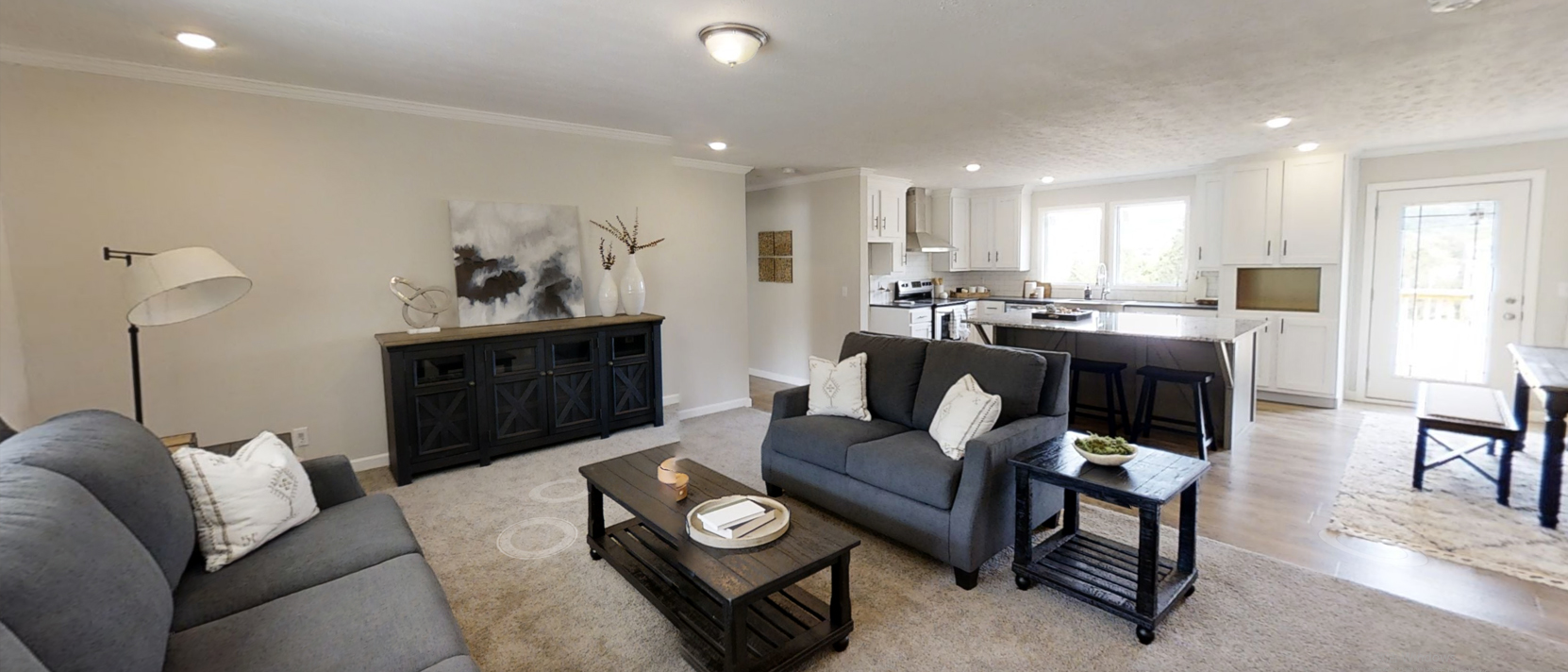
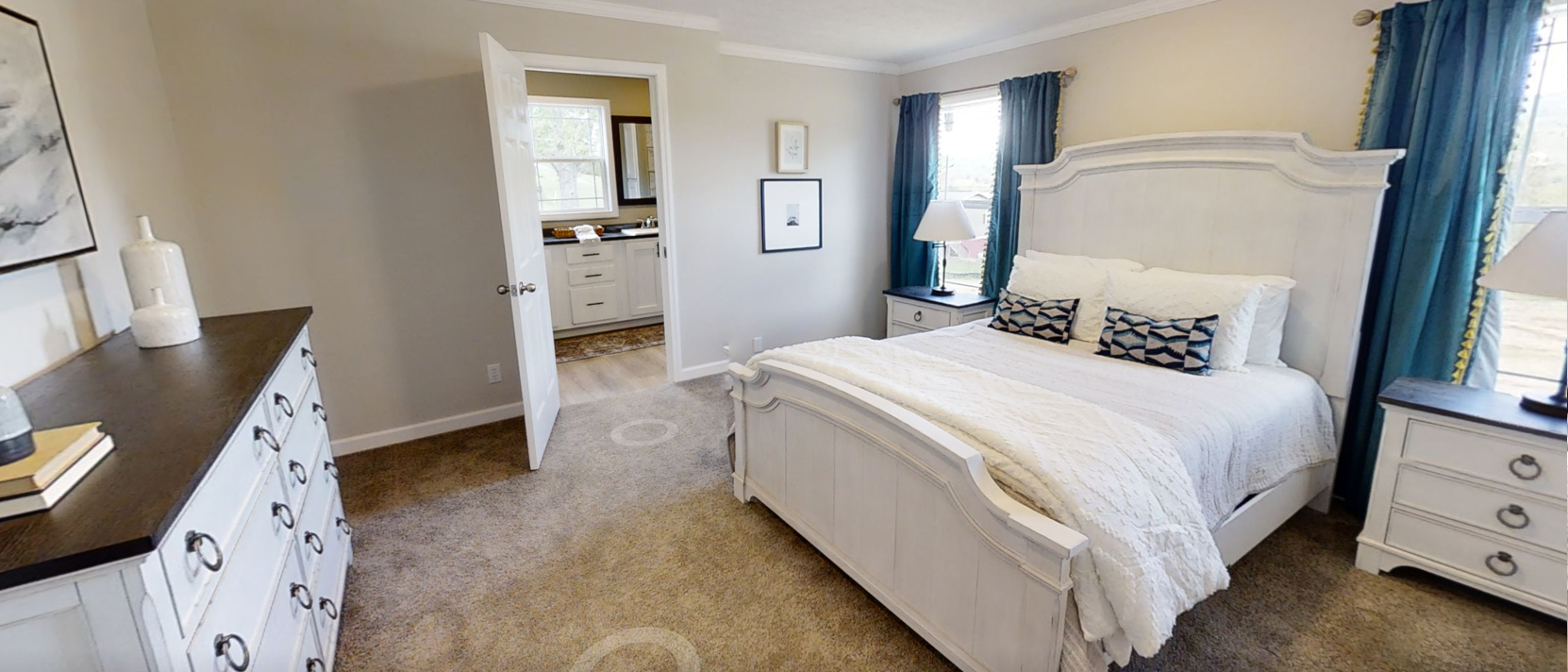
Clayton showcased a single-module CrossMod home at the recent Berkshire Hathaway Annual Shareholders Meeting held in Omaha, drawing widespread industry attention.
Core Key Data
• Price range: 250,000 to 350,000 including land
• Average monthly energy cost: around 118 one -thirdlower than 177 for conventional equivalent houses
• Market positioning: Catering to the underserved mid-income group. These households exceed the affordable housing income threshold yet cannot afford entry-level single-family homes priced above $500,000
Audrey Eason, Clayton’s Director of Communications, stated in an interview with HousingWire: "The old division between factory-built and site-built housing no longer makes sense."
Her remark reflects a growing industry consensus. Modular housing no longer competes against traditional construction; its real challenges lie with unaffordability and stalled housing development.
Featuring permanent foundations, eligibility for standard mortgage loans and community-compatible appearances, CrossMod designs barely differ visually from conventional single-family residences, reshaping public perceptions of factory-built housing.
Project Performance: Practical Results Speak Volumes
West Holden Place, winner of last week’s MBI Global Modular Awards, serves as compelling proof of industry progress.
• 77 residential units within a 6-story LEED Gold certified building
• Consisted of 50 modules, fully assembled on-site in just 7 days
• 40% of units priced capped at 80% of regional median household income
• Financed via Colorado Housing and Finance Authority’s middle-income housing program, independent of traditional low-income housing tax credits
Developer Adam Berger has delivered dozens of modular projects across Denver over the past decade, with multiple new developments ongoing. His business model validates the commercial viability of modular construction for mid-rise multi-family residential buildings.
Local Government Initiatives: Strategic Planning in Ulster County
Ulster County, New York, officially launched its modular housing development strategy last week, commissioning The Mod Squad to formulate comprehensive construction strategies and factory implementation plans.
Key highlights:
• A $50,000 grant provided by Empire State Development
• Establishment of the HOME Council covering housing, off-site manufacturing and local employment, with participation from the director of New York Institute of Technology’s Off-Site Construction Center
• Core goals: Expand housing supply, boost local employment and achieve net-zero energy consumption standards
The move indicates housing shortage has transcended partisan divides, prompting policy responses across all administrative levels.
Capital Trends: More Pragmatic Investment Approaches
No large-scale financing deals were announced in the past week, yet notable shifts in investment strategies emerged.
An in-depth report by the Urban Land Institute concluded that heavy asset burdens led to the collapse of early modular pioneers like Katerra. Operating self-owned factories alongside construction projects triggered massive losses once order volumes declined.
A new lightweight integration model has gained popularity. Modular integrators focus on design coordination and construction management rather than factory ownership, with firms such as Cloud Apartments leading the transformation.
Conventional financial institutions have also stepped up engagement. The San Francisco Housing Accelerator Fund launched exclusive loans covering pre-production payments for modular factories. JPMorgan Chase and Bank of America have expanded funding scales for modular construction projects.
Consumer Perspective: Modular Housing Gains Mainstream Homebuyer Attention
A local housing report from Fairfax, Virginia, reflects changing market acceptance.
A local construction renovation firm owners built a 4,200-square-foot modular residence in Vienna. Prefabricated at a Pennsylvania factory, the house was transported via six flatbed trucks and structurally assembled on-site within two days.
Customization stood out as the core advantage highlighted by the homeowners. They confirmed modular construction imposed no limitations on design preferences, supporting personalized fittings including mosaic bathroom tiles and glass kitchen cabinetry.
This individual case demonstrates shifting buyer demographics. Modular housing now appeals to middle-to-high-end consumers pursuing construction efficiency without compromising quality, beyond budget-focused basic home buyers. Though insufficient to draw definitive conclusions, the trend merits continuous observation.
Industry Challenges: Three Prevailing Concerns
Upfront Capital Funding Shortage
Modular projects require substantial early-stage investment for raw material prepayments and production reservations, funds typically disbursed at later stages in traditional building workflows.
Major developers rely on internal capital advances, while specialized loan programs offer alternative solutions. Nonetheless, high upfront costs remain a formidable barrier for small and medium-sized developers.
Lingering Negative Consumer Stereotypes
Outdated prejudice associating factory-built homes with low-quality temporary structures persists despite industry promotion efforts.
"CrossMod is breaking outdated stigmas and proving modern factory housing delivers feasible, innovative and energy-efficient living solutions for American residents," Eason commented.
Public mindset evolves gradually. Award-winning projects, high-profile product exhibitions and positive homeowner testimonials steadily improve market recognition.
Future Outlook
North American modular housing stands at a pivotal turning point with mature technologies, optimized investment logic and gradual policy adaptation. Its path toward mainstream acceptance hinges on three critical factors: sustained cost advantages, verified living comfort and widespread community approval.
Industry practitioners are advised to embrace long-term growth trends while strictly .